
When you’re planning to go trekking in Nepal, the first question that pops into everyone’s head is “When is the best time to trek?” And honestly, most people will give you the same answer: during Autumn (September to November) for clear skies and Spring (March to May) for a blooming flower and warmer days.
But nowadays, winter has also become a favourite season for a different type of trekker. Trekker who wants more silence on the trail, crystal-clear mountain views, and a more raw and real Himalayan experience.
What Makes a “Best Time” for Trekking?
Most people assume the season and temperature when they hear the term “best time” for trekking, but this is not the only reason. It is also about the overall condition that makes the trek feel safe and comfortable. Here are the key factors:
- Weather: Clear blue skies with not too hot during the day or too freezing at night with a zero chance of rain.
- Trail Condition: Dry dirt and a stable path create a lower chance of slipping or getting your boot stuck in the mud.
- Visibility: Clear days without haze, fog, or clouds covering the massive mountains, resulting in high visibility.
- Crowds: Different trekkers have different mindsets. Some prefer busy trails for safety, while others want a peaceful, less crowded route for personal space.
- Fitness and Comfort: The health and comfort level of trekkers decide which time of the year is best for them.
Reasons Why Winter Could Be the Best Time
Winter might sound a bit scary at first, but for many trekkers, this season offers unique rewards that peak seasons can’t. For those who are looking for an authentic, quiet, and beautiful experience, this is truly the best time to go. Here are the top reasons why the winter season could be the best time to trek:
1. Crystal-Clear Mountain Views:
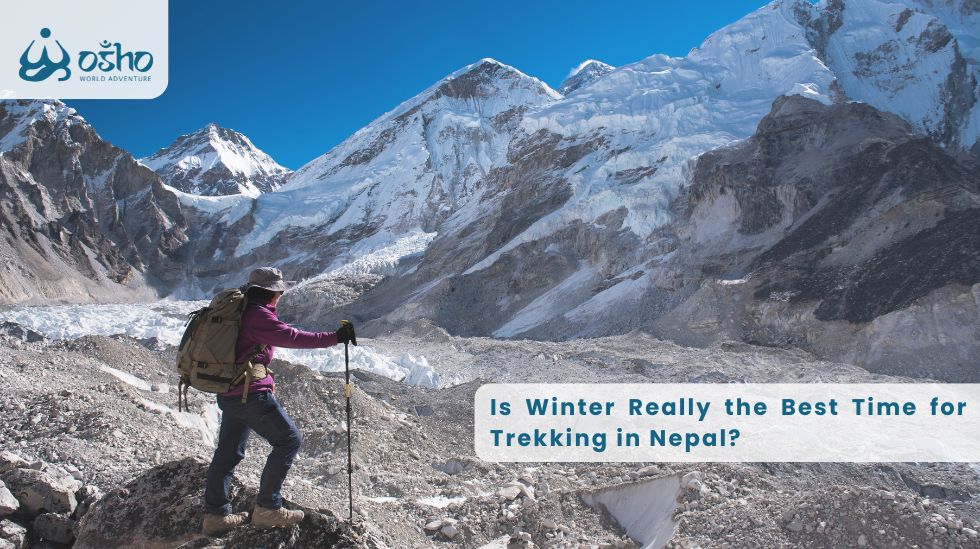
In winter, the air is crisp and clean. You get the best visibility because the dust and haze are not seen in this season. The mountains are covered with snow and appear sharper, clearer, and closer than ever. This makes it perfect for capturing the photo.
2. Total Solitude (No Crowds):
- Those travellers who prefer personal space and peace, this is a plus point. Travellers can share the path and tea houses with very few trekkers, which provides them a good opportunity to know more about the local culture and relax during the journey.
3. A Magical, Snowy Landscape:
At this time of the year, the mountains are covered with snow. This beautiful atmosphere turns the valleys into a clear winter wonderland, which you don’t get to see in the warm season.
4. Lower Costs and Better Service:
Since it’s the off-season for trekking, many accommodation and trekking companies offer better prices. Plus, the tea house owners have plenty of time to talk and offer you a cosy, personal level of hospitality.
Challenges of Trekking in the Winter Season
There’s no doubt that mountains look wonderful with snow, but going trekking in winter comes with various challenges. It’s essential to know the challenges and be mentally prepared to face them if you’re planning to go. Here are the challenges listed below:
1. Extreme Cold Temperatures:
The major issue in this season is the extreme cold. The daytime when you’re walking under the sun might be warm, but when the sun goes down, the temperature drops fast, and it can be a freezing night. To keep you warm, bulky and heavy gear (special sleeping bags, thick down jackets) is needed, which can make your backpack heavier and the trek more tiring.
2. Less Daylight for Walking:
The winter days are usually short. The sun rises late in the morning and sets early in the evening. This means you have fewer hours to walk. You need a proper day plan and implement it effectively to complete the target areas faster and spend the night at cosy places.
3. Slippery and Dangerous Trails:
Trails in summer are dry and easy to walk. But in winter, the same trails are covered with snow or ice, making them slippery and dangerous to walk on. Even some high passes or remote routes are closed completely, and also, there’s a high chance of avalanches in certain regions.
4. Frozen Water and Basic Facilities:
Water pipes often freeze in the cold season, causing difficulty in accessing tap water or even staying hydrated. The problem is not only about water, but the places to stay. Many lodges (tea houses) closed during winter, because winter months are considered an off-season, so the accommodation options are quite limited.
Who Should Consider Winter Trekking?
Winter trekking is challenging and not for everyone, especially for beginners. However, it can be perfect for:
- Trekkers looking for solitude, calm, and peaceful trails.
- People who enjoy cold weather and are comfortable with low temperatures.
- Photographers who want the clearest and sharpest views of the mountain, which is covered with snow.
- Those with good fitness who can handle heavy winter clothing and gear.
So… Is Winter Really the Best Time for Trekking in Nepal?
Yes, but only for the right kind of trekker.
Winter isn’t the best season for everyone because the days get shorter, the cold is pretty intense, and some trails can feel a bit harder to walk on. But for people who truly enjoy the silence, those crystal-clear mountain views, and a quieter Himalayan vibe, winter can actually end up being the best time to trek. The trials contain a few crowds, the scenery looks almost unreal, and the whole experience feels more rewarding, as long as you’re prepared well and have a little bit of experience to handle the conditions.
If you‘re planning a trek and looking for a reliable trekking agency in Nepal, Osho World Adventure can be the best option for you. We prepared you from the very beginning, from gear selection to route planning, ensuring your winter trek is comfortable, safe, and unforgettable.