
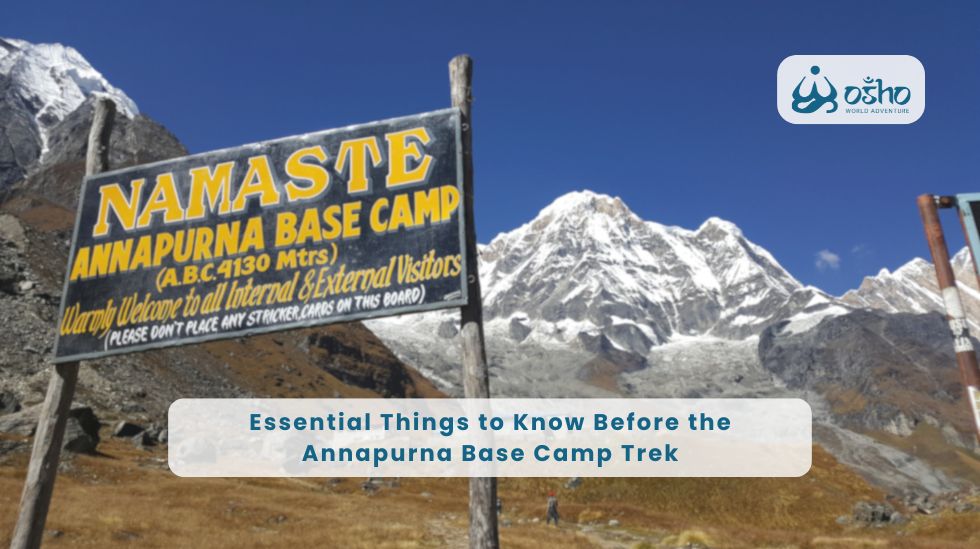
Are you planning to go on the Annapurna Base Camp trek (ABC)? It is a great choice and can be one of the most breathtaking treks on the planet, which takes you right into the heart of the mighty Himalayas.
Before starting a trek, there are a few things that you should know. This is not just an ordinary trek; it requires proper planning, the right gear, and a clear idea of what to expect. From understanding the mountain weather to being aware of climate change, staying prepared will make the trip more enjoyable.
In this blog, we’ll cover the essential things you need to know before starting your journey towards Annapurna Base Camp.
Best Time to go to the Annapurna Base Camp Trek
Choosing the right time for your trek can change the overall experience. ABC can be reached at any time of year, but two specific seasons are ideal for weather, views, and beginners.
1. Spring (March to May)
Spring is considered the best time for nature lovers. This season offers a blooming red and pink forest with Nepal’s national flower, Rhododendron. Days are warm and pleasant for walking, but it can still be cold at night once you get up to a high altitude.
2. Autumn (September to November)
In the autumn season, the monsoon washes away the dust, which provides the sharpest and clearest views of the Annapurna peaks. This season is considered the stable time of year for trekking, as the rain is rare and the skies are usually a bright blue.
Weather to Avoid
- Avoid Monsoon (June-August), especially if you’re a beginner. The mountains and sky are cloudy, the trail is slippery, rainy, and may contain leeches.
- While trekking in winter, the temperature drops to -15°C at the top, and extremely cold, causing difficulty in breathing (especially in December and January).
Required Permits and Regulations
To enter the Annapurna region, you require specific permits that help the government fund conservation. To get your paperwork in order, here are the necessary permits:
1. Annapurna Conservation Area Permit (ACAP)
This permit is mandatory for everyone as the trek goes through a protected conservation area. Here are the things that it includes:
- Cost for foreigners: NPR 3,000 (approx. USD 25)
- Cost for SAARC Citizens: NPR 1,000
- Validity: Valid for a single entry. It remains valid for the entire duration of the trek until you don’t leave the conservation area.
2. Trekkers’ Information Management System (TIMS) Card
This card is used to register your trekking route and contact details during an emergency, such as an earthquake or landslide. It includes:
- Cost for Foreigners: NPR 2,000 (approx. USD 17)
- Cost for SAARC Citizens: NPR 1,000
- Note: the regulation has shifted towards “Solo vs Guided” trekking. The rules highly recommend trekking with a licensed guide for safety.
Essential Gear and Packing List
Packing for ABC is all about bringing clothes that can easily be added to or removed as the temperature changes. While starting the trek, the weather is warm, in the middle of the trek, there are humid jungles, and at the top, it is surrounded by snow and ice. Here are the essential things to pack for making a comfortable trek:
- Carry a warm sleeping bag, a trekking pole, and sturdy waterproof hiking boots for an easy journey.
- Bring a warm fleece jacket, a lightweight down jacket, and a thick base layer.
- Carry sun protection such as a hat, UV-protection sunglasses, a cap, and warm gloves.
- Use a reusable bottle, a high SPF lip balm, sunscreen, and bring personal first aid and toilet paper.
- Carry a power bank with a high capacity to charge your phone and headlamp to walk in the early morning or late at night.
Safety Tips and Health Considerations
Staying healthy helps you handle changing weather, prevent altitude sickness, and long walking. Here are the different ways to maintain safety and health.
- Drink plenty of water, avoid alcohol, and walk slowly to prevent altitude sickness.
- Carry basic medicines, a first-aid kit, use purified water, eat fresh food, and get enough rest.
- Wear proper clothing, use trekking poles, and check weather conditions for a smooth and safe experience.
- Carry travel insurance that covers high-altitude trekking, keep emergency contact numbers, and inform someone about your daily trekking plan.
Budgeting and Cost Considerations
Knowing the appropriate budget makes the trek stress-free and enjoyable. Nepal is generally affordable in terms of food and services. But considering these things helps to make this trek more budget-friendly:
- Plan your budget, including accommodation, water, and meals, to manage effectively.
- Separate a budget for a guide, porter, and local tea houses to get the best services and safety.
- Carry cash for hot showers, battery charging, and Wi-Fi in the common trail services.
- Consider total packages that include permits, transport, accommodation, and all meals.
Money Tip: There are no ATMs on the trails. Ensure to carry enough Nepali rupees to pay your extra expenses.
Local Culture and Etiquette
The Annapurna region is home to many ethnic groups, but primarily the Gurung and Magar communities stay here. Along with mountains, the kindness and traditions of the people are the main attractions that make this journey more memorable.
- One of the easiest ways to connect with locals is by greeting “Namaste” by placing palms together.
- Respect religious sites by dressing modestly and removing shoes before entering monasteries, temples, or someone’s private home.
- Ask for permission before clicking a picture of a beautiful local wearing colourful traditional clothing and respect their privacy.
- Step aside to let the yaks or mules pass and prevent yourself from accidentally bumping off the edge.
Conclusion
The Annapurna Base Camp trek is not just a trek; it is a life-changing experience. In this journey, the mountain view, friendly people, and overcoming the challenges that come along the way are remarkable. Planning before telling, with the right packaging and knowing about the local culture, helps to make this trip easier and enjoyable.
Are you planning to go trekking but don’t want any stress about permits, and want detailed information about it? Osho World Adventure is here to help you. Contact us to know more about the trek.